
Introduction: A Smarter Approach to Everyday Nutrition
Eating well is an important part of maintaining a balanced lifestyle, but planning nutritious meals every day can sometimes feel challenging. Busy schedules, changing food preferences, dietary restrictions, and limited time for cooking can make healthy eating more complicated than it needs to be.
This is where Artificial Intelligence (AI) is creating new possibilities. An AI-powered nutrition assistant can help people explore meal ideas, organize grocery lists, understand food choices, and develop eating routines that fit their everyday lives.
Imagine having a digital assistant that helps you plan breakfast, discover healthier recipes, and make better-informed food choices—all from your smartphone. With the right technology and reliable nutrition information, eating smarter can become a more convenient part of your daily routine.
What Is a Personal AI Nutritionist?
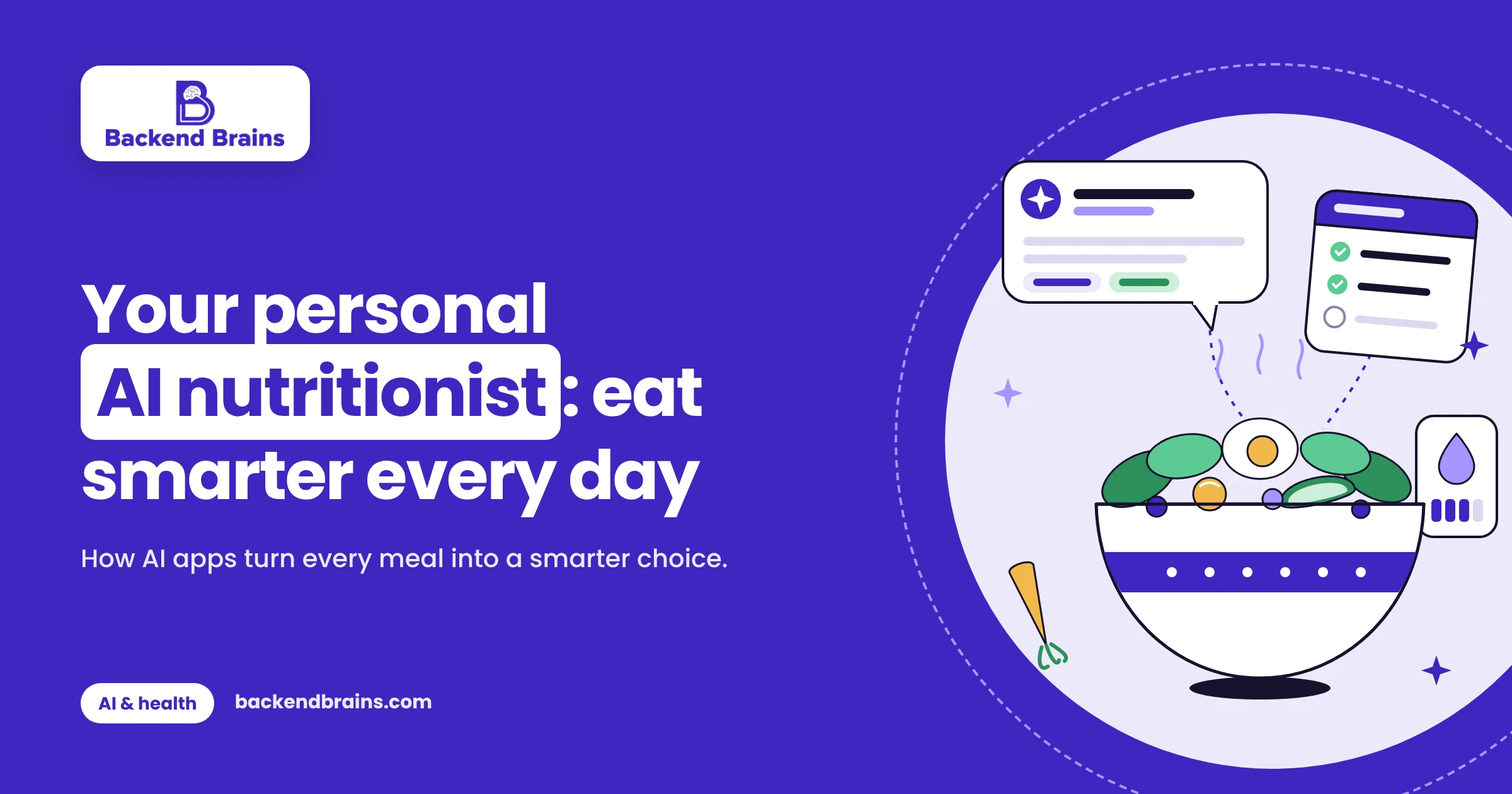
A personal AI nutritionist is a digital tool that uses artificial intelligence to provide food suggestions, meal-planning assistance, and nutrition-related information based on the details a user shares.
Depending on its features, the tool may consider food preferences, allergies, cultural eating habits, cooking time, budget, and lifestyle requirements to suggest relevant meal options.
Unlike a traditional meal-planning application with fixed recipes, an AI-powered assistant can adapt suggestions when your preferences or daily schedule change.
However, AI is designed to support everyday food decisions—not replace a qualified dietitian or healthcare professional.
How Does an AI Nutritionist Work?
AI nutrition tools combine user-provided information with food databases, recommendation systems, and machine-learning technologies to generate useful suggestions.
Here are some ways they can help:
1. Personalized Meal Suggestions
An AI assistant can suggest meal ideas based on your preferred foods, available ingredients, cooking time, and dietary preferences.
For example, if you prefer vegetarian meals or want ideas using ingredients already available in your kitchen, the tool can recommend suitable recipes to explore.
2. Smart Meal Planning
Planning meals in advance can make grocery shopping and everyday cooking easier. AI tools can organize meal ideas into a weekly plan and help create shopping lists based on selected recipes.
This can reduce the time spent deciding what to cook while making meal preparation more organized.
3. Food and Nutrition Information
Some AI-powered applications can help users understand food labels, compare ingredients, and learn about nutrients such as protein, carbohydrates, fiber, vitamins, and minerals.
The quality of this information depends on the reliability of the underlying data, so important nutrition details should be verified.
4. Recipe Recommendations
Not sure what to prepare with the ingredients in your refrigerator? An AI assistant can suggest recipes based on what you have available.
You can also explore different cuisines, request alternatives for ingredients, and discover ways to make everyday meals more varied.
5. Everyday Habit Tracking
Depending on the application, users may be able to record meals, review eating patterns, and receive reminders to maintain consistent routines.
These insights can help people reflect on their habits without expecting every meal to be perfect.
Key Benefits of Using AI for Nutrition
AI-powered nutrition tools offer several practical advantages when used thoughtfully.
- Convenience: Get meal ideas and organize grocery lists without spending hours planning.
- Personalization: Explore suggestions that reflect your food preferences, cultural habits, budget, and cooking schedule.
- More Food Variety: Discover recipes and ingredients you may not have considered before.
- Better Food Awareness: Learn about ingredients, food labels, and basic nutrition concepts.
- Flexible Planning: Adjust meal suggestions when your schedule changes or certain ingredients are unavailable.
- Time-Saving Assistance: Simplify everyday food-related decisions with recommendations available through digital devices.
The goal is not to make food choices unnecessarily complicated. It is to make useful information easier to understand and apply.
AI Nutritionist vs. Traditional Meal Planning
Traditional meal planning often relies on personal experience, cookbooks, fixed menus, or advice from nutrition professionals. AI introduces an additional layer of digital assistance.
Feature |
Traditional Meal Planning |
AI-Assisted Meal Planning |
Meal Ideas |
Manually selected |
Suggested using user preferences |
Recipe Discovery |
Cookbooks and websites |
Personalized digital suggestions |
Grocery Lists |
Created manually |
May be generated automatically |
Plan Adjustments |
Updated manually |
Can be revised through new prompts |
Professional Guidance |
Available through qualified experts |
Requires expert support when medically necessary |
Both approaches can be useful. AI can make planning more convenient, while professional nutrition guidance remains essential when individual health needs require specialized care.
Can AI Help You Make Healthier Food Choices?
AI can help users explore balanced meal ideas, identify ingredient alternatives, and become more aware of their eating habits. For example, it might suggest adding vegetables to a meal, choosing a whole-grain alternative, or exploring different protein sources.
However, AI recommendations are only as reliable as the information and systems behind them. Food photographs may not accurately reveal portion sizes or hidden ingredients, and automated advice can sometimes be incorrect.
For everyday use, treat AI suggestions as a starting point rather than a final authority. People with allergies, medical conditions, or specific nutritional requirements should consult an appropriate healthcare professional before following specialized dietary advice.
Important Considerations Before Using an AI Nutrition Tool
Although AI offers convenience, responsible use matters.
- Check Accuracy: Verify important nutrition facts against trustworthy sources.
- Protect Your Privacy: Review how an application collects, stores, and shares personal information.
- Consider Allergies: Never rely solely on an AI-generated recipe to confirm that a food is safe for an allergy.
- Avoid Extreme Recommendations: Be cautious of restrictive diets or unrealistic promises.
- Seek Professional Guidance: Consult a registered dietitian or qualified healthcare professional for medical nutrition needs.
AI should complement informed decision-making, not replace professional expertise.
The Future of Personalized Nutrition
As AI technology advances, nutrition applications may become more capable of combining food preferences, meal records, wearable-device information, and other relevant data to offer more contextual recommendations.
Future tools may also improve recipe discovery, food recognition, grocery planning, and the way people interact with digital nutrition assistants.
Nevertheless, more research and careful evaluation are needed to establish how reliably these systems support long-term health outcomes. Accuracy, privacy, accessibility, and human oversight will remain important as personalized nutrition technology evolves.
Conclusion: Make Everyday Eating Simpler With AI
A personal AI nutritionist can make meal planning, recipe discovery, and everyday food decisions more convenient. By offering flexible suggestions and helping organize nutrition-related information, AI can support a more thoughtful approach to daily eating.
The most effective approach combines technology with reliable nutrition knowledge, personal preferences, and professional guidance when needed.
Eat smarter every day — not by following every AI recommendation, but by using technology to make informed, balanced, and practical food choices.
Frequently Asked Questions
1. What Is an AI Nutritionist?
An AI nutritionist is a digital tool that uses artificial intelligence to suggest meals, organize food plans, and provide nutrition-related information based on user preferences and available data.
2. Can AI Create a Personalized Meal Plan?
Yes. Many AI tools can generate meal suggestions based on food preferences, available ingredients, cooking time, and other details. Specialized dietary needs should be reviewed by a qualified professional.
3. Is an AI Nutritionist a Replacement for a Dietitian?
No. AI can assist with general meal planning and nutrition education, but it cannot reliably replace the individualized assessment and professional judgment of a qualified dietitian.
4. Can AI Help Reduce Food Waste?
It can help users find recipes for ingredients they already have and organize shopping lists, potentially making it easier to use food before it goes to waste.
5. Is It Safe to Follow AI-Generated Nutrition Advice?
AI-generated advice can contain errors. Verify important information, check allergens carefully, protect your personal data, and seek professional advice for medical or specialized dietary needs.
Share This Article